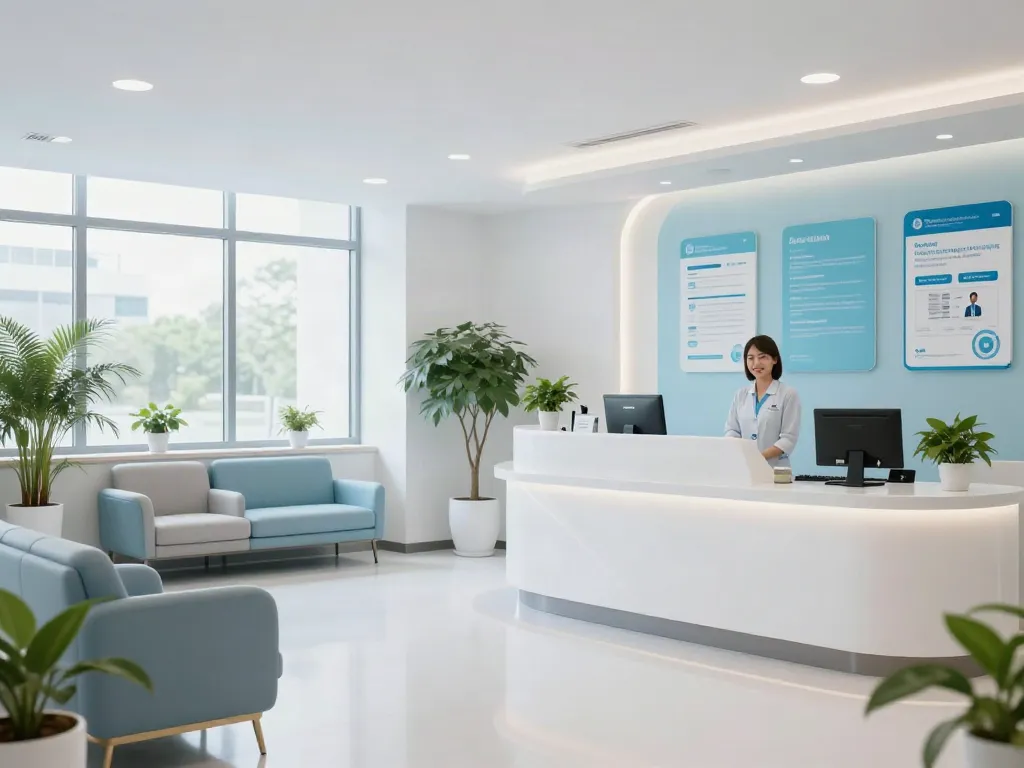
Understanding the Key Principles of Effective Patient Care
Effective patient care is at the heart of modern healthcare and is essential for fostering positive health outcomes. In a rapidly evolving medical landscape, understanding the key principles of effective patient care can empower patients to engage actively in their health journey. This engagement ensures that patients remain informed and in control, paving the way for enhanced satisfaction and better health results. With the integration of advanced technologies and innovative practices, the healthcare industry continually strives to improve patient experiences and outcomes, setting new standards for care delivery. When exploring options, situs gacor provides comprehensive insights into various healthcare pathways.
Importance of Personalized Healthcare Approaches
Personalized healthcare is built on recognizing that each patient is unique, with distinct needs, values, and preferences. Tailoring healthcare approaches to the individual not only enhances care efficacy but also fosters greater patient satisfaction. Evidence-based medicine emphasizes the integration of clinical expertise with patient values and the best available evidence. Such approaches result in improved adherence to treatment plans, higher patient engagement, and overall better health outcomes. By focusing on personalized care, healthcare providers can create individualized treatment plans that accommodate both medical needs and lifestyle choices.
Building Trust Through Compassionate Interactions
Trust is a critical component of the patient-provider relationship, significantly influencing treatment outcomes. Compassionate interactions foster an environment where patients feel valued and understood, which can alleviate anxiety and improve their willingness to share pertinent information. Health practitioners must cultivate empathy and active listening skills to build this trust. Engaging patients in open conversations about their care not only empowers them but also encourages adherence to treatment protocols, resulting in more successful health outcomes.
Engaging Patients in Their Health Journey
Engagement in healthcare means that patients are active participants in their care rather than passive recipients. This includes understanding their conditions, making informed decisions about treatment options, and taking responsibility for their health behaviors. Healthcare providers can encourage this engagement through education initiatives and collaborative decision-making. Equipping patients with the knowledge needed to manage their health conditions can lead to better self-management, improved satisfaction, and ultimately enhanced health outcomes.
The Future of Healthcare Services in 2026
The healthcare landscape is poised for significant transformation in 2026, driven by technological advances, changes in patient expectations, and shifts toward value-based care. Innovations such as telehealth solutions are becoming increasingly prevalent, providing patients with greater access to care from the comfort of their homes. These advancements underscore the necessity for patients to stay informed and proactive in managing their health. Continually exploring new avenues for care and understanding emerging trends can help patients navigate the evolving healthcare environment more effectively.
Innovative Telehealth Solutions and Their Impact
Telehealth has revolutionized the way healthcare is delivered. With the ability to conduct virtual appointments, patients can access medical consultations without geographical constraints. This enhances convenience and reduces barriers to care for individuals in remote regions or those with mobility challenges. Moreover, telehealth services have expanded to include mental health support, chronic disease management, and preventive care, making it a versatile tool in modern healthcare. As technology continues to advance, the range and quality of telehealth services are expected to improve further, offering new opportunities for patient engagement and health management.
Emerging Trends in Preventive Health Screenings
Preventive health screenings play a crucial role in early detection and intervention, significantly enhancing patient outcomes and reducing healthcare costs. In 2026, innovative screening technologies, such as at-home testing kits and artificial intelligence-based analysis, will likely become more commonplace. These advancements will not only increase the accuracy of screenings but also simplify the process for patients, encouraging more individuals to participate in preventive measures.
Technology Integration in Patient Care
The integration of technology into patient care is set to enhance the efficiency and effectiveness of healthcare delivery. Electronic health records (EHRs), wearable health devices, and mobile health applications empower patients to monitor their health data in real-time. This integration allows for personalized care approaches, where medical professionals can tailor treatment plans based on continuous health monitoring. As technology continues to evolve, patients can expect a more interconnected and responsive healthcare experience.
Transformative Approaches to Chronic Disease Management
Chronic diseases, such as diabetes and hypertension, require ongoing management to prevent complications and maintain quality of life. Transformative approaches to chronic disease management focus on patient education, lifestyle modification, and coordinated care among healthcare providers. By empowering patients with knowledge and resources, these strategies promote proactive management and improve health outcomes.
Evidence-Based Strategies for Patient Engagement
Evidence-based strategies play a pivotal role in engaging patients with chronic conditions. Sharing treatment plans based on the latest research ensures that patients understand their path forward. This engagement includes personalized coaching, regular follow-ups, and the incorporation of patient feedback into care decisions. Such collaborative efforts promote adherence to treatment and can lead to more favorable health results.
Comprehensive Care Plans and Best Practices
Developing comprehensive care plans for patients with chronic diseases must incorporate both medical treatment and lifestyle considerations. Best practices in managing chronic conditions include regular health assessments, medication management, nutritional counseling, and mental health support. These plans should be tailored to each patient, considering their individual circumstances, health literacy, and preferences. Regular reviews of the care plan ensure it remains relevant and effective as the patient’s condition changes.
Support Systems for Patients with Chronic Conditions
Support systems, such as support groups and patient education programs, can vastly improve outcomes for individuals managing chronic diseases. These systems provide emotional support, practical advice regarding lifestyle changes, and resources for navigating healthcare needs. By fostering a strong support network, patients can feel less isolated and more empowered in managing their health.
The Importance of Mental Health Support in 2026
Mental health support is an integral element of comprehensive patient care, particularly as awareness of mental health issues continues to grow. The year 2026 marks a pivotal moment in understanding how mental wellbeing intersects with physical health, emphasizing the need for an integrated approach to treatment.
Recognizing the Signs of Mental Health Issues
Early recognition of mental health issues can facilitate timely intervention and treatment, significantly improving outcomes. Mental health conditions can manifest in various ways, including changes in mood, behavior, or daily functioning. Education about the signs and symptoms of mental health issues is crucial for both patients and healthcare providers. This knowledge can empower individuals to seek help sooner and can foster supportive environments in both clinical and community settings.
Innovative Therapies and Treatment Options Available
2026 brings advancements in therapeutic options for mental health, including evidence-based psychotherapies, medication management, and holistic approaches. Emerging therapies such as virtual reality exposure therapy and online counseling platforms are examples of innovations designed to enhance accessibility and reduce stigma associated with mental healthcare. Patients can benefit from a wider range of treatment modalities tailored to their unique needs.
Creating Supportive Environments for Mental Health
Creating supportive environments is critical for those dealing with mental health issues. This encompasses not only the clinical setting but also workplace cultures and community support systems. By fostering open dialogues regarding mental health and integrating supportive policies, society can help reduce stigma and encourage individuals to seek help without fear of judgment.
Navigating the Healthcare Landscape: Patient Rights and Advocacy
As patients become increasingly informed and engaged, understanding their rights and the healthcare landscape is vital. Advocacy for patient rights ensures that individuals are treated with dignity and respect throughout their care journey.
Understanding Patient Rights and Responsibilities
Patients possess fundamental rights, including the right to be informed about their conditions, to participate in treatment decisions, and to have their privacy respected. Additionally, patients have responsibilities, such as providing accurate health information and following prescribed treatments. Awareness of these rights and responsibilities can empower patients to advocate for themselves effectively.
Advocacy for Health Equity and Access
Advocating for health equity and access is essential in eliminating healthcare disparities faced by marginalized communities. The healthcare system should ensure that all individuals receive equitable treatment regardless of socioeconomic status, race, or geographical location. By supporting initiatives aimed at improving access and addressing systemic barriers, both providers and patients can contribute to a more inclusive healthcare environment.
Resources for Patients Seeking Guidance
Numerous resources are available for patients seeking guidance about their rights, treatment options, and available support systems. Organizations, advocacy groups, and healthcare facilities often provide educational materials and assistance to help patients navigate their healthcare journeys. Utilizing these resources can empower individuals to make informed decisions regarding their health.